
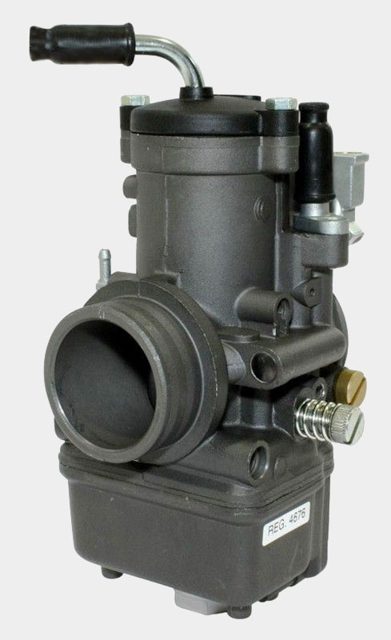
Dellorto PHF 36
Dell'Orto range with accelerator pump; jet needles of the K series.
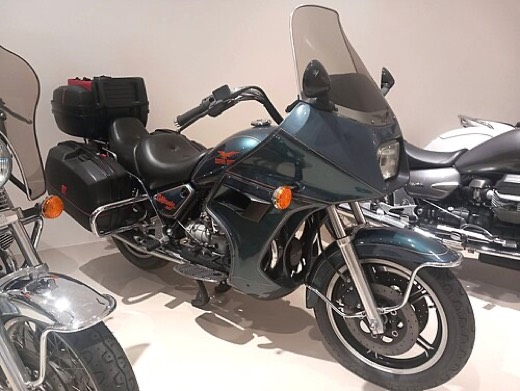
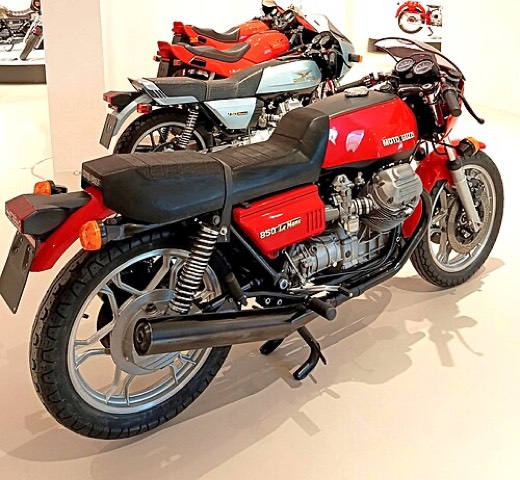
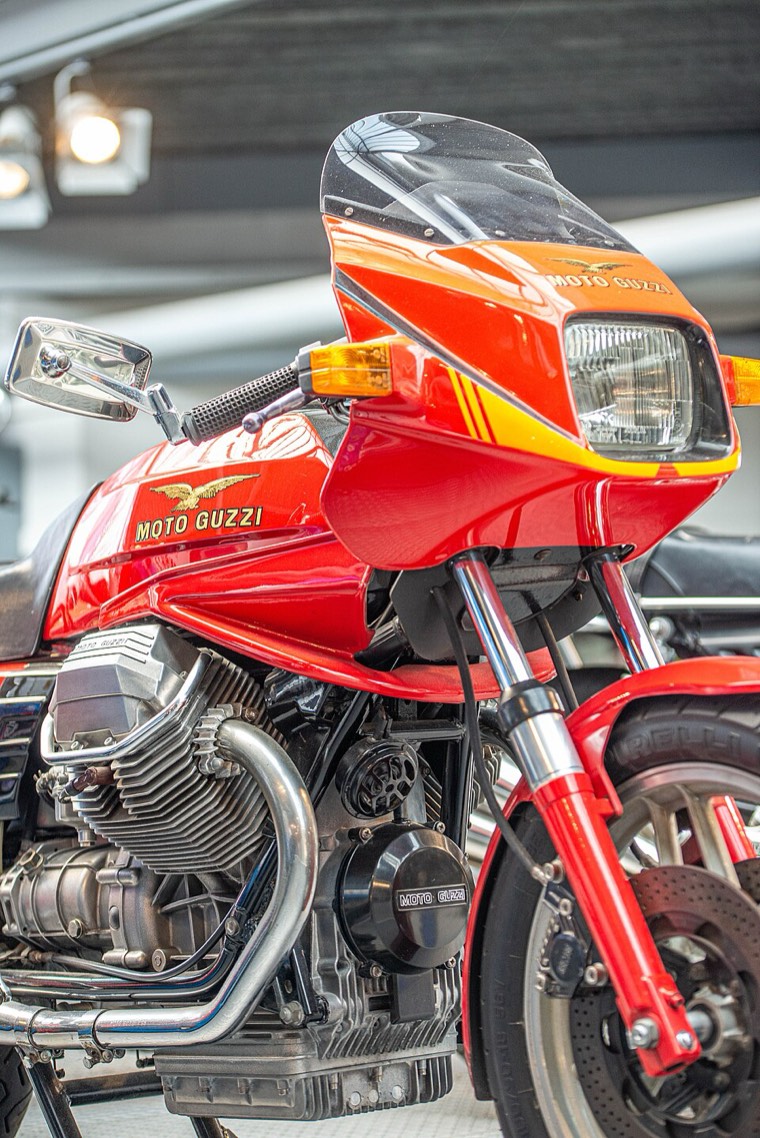
Fitted as standard to

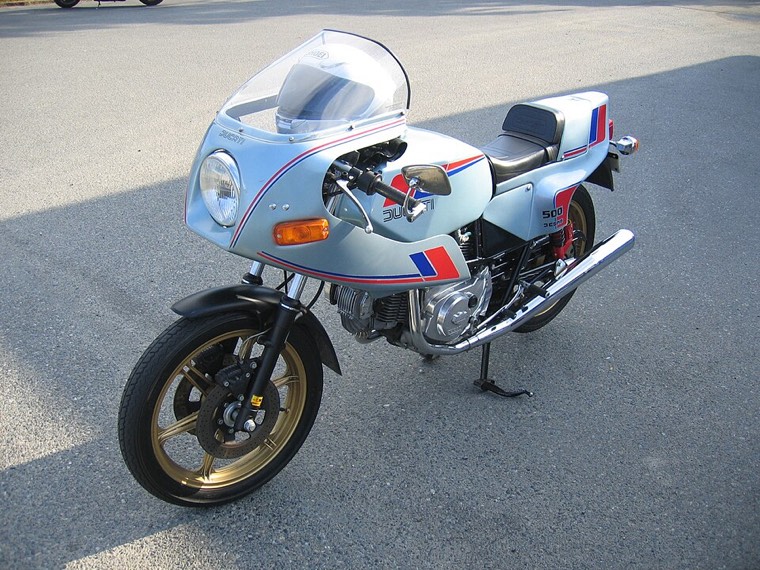

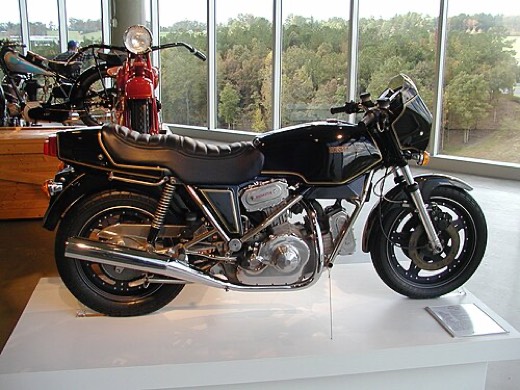


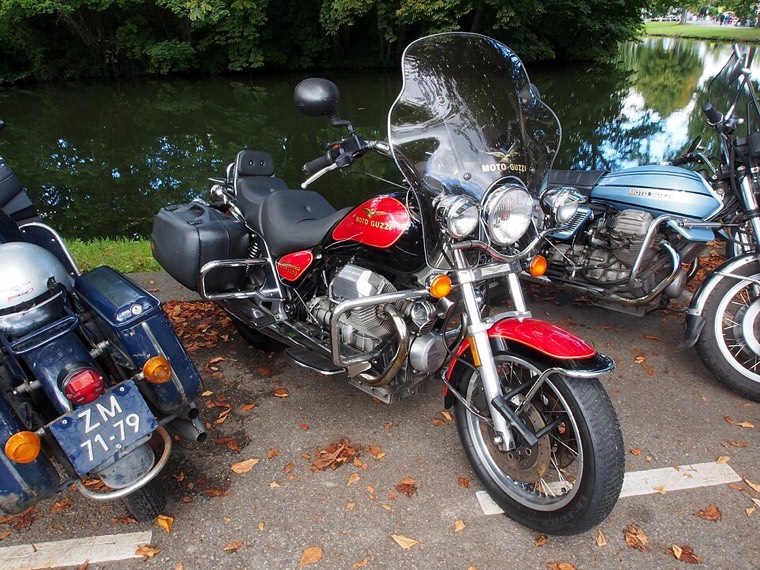
All figures at a glance (table)
“–” means: not fitted on this model, or not documented in the source.
Not running right?Pick the symptom, we show the part responsible.
Pale, greyish-white plugs; flat and gutless at the top end; overheating
Runs better on choke; popping/banging on the overrun
Hesitation/flat spot when opening the throttle
Surging/leaning out at steady speed and mid throttle
Sooty black plugs; burbling running; smell of fuel; high consumption
Gets worse the hotter the engine runs
Always change in single steps (“one or two jet sizes, then check the plug colour”), judge only on a warmed-up engine and make just one change per test ride.
These notes do not replace a proper check. When in doubt use a lambda meter, a dyno or a specialist workshop – an engine running lean for long periods can be damaged.
More spare parts for Dell'Orto PHF
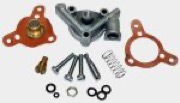
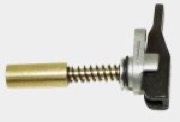
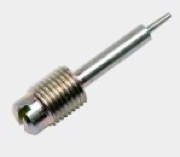
Real-world setups from the community
Documented setups from forums, summarised in our own words and linked. They show what people actually ran on specific conversions – they are not a recommendation and do not replace your own testing.
User report, no warranty — not a factory figure
Moto Guzzi Le Mans III (850) — PHF 36
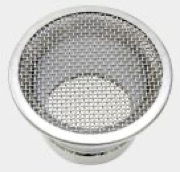
Condition/modifications: Open bellmouths with gauze, otherwise largely standard
Jetting used: Main jet 135–140 (depending on the gauze), pilot jet 65, needle K18 in the 3rd notch from the top, throttle slide 60/3, starter jet 70, mixture screws 1.75 turns
Result according to the report: Described by the user as a working setup with open bellmouths. No problems reported.
Source: groups.google.com
User report, no warranty — not a factory figure
Moto Guzzi Le Mans III (850) — PHF 36
Condition/modifications: Converted from airbox to open bellmouths
Jetting used: Main jet 140, pilot jet 60 (rest of the setup not stated)
Result according to the report: NEGATIVE EXAMPLE: the engine got far too hot (around 110 °C after 20 km) with heavy ticking from the heat — the setup after fitting bellmouths was evidently too lean. Shows that switching to bellmouths without consistent richening is risky.
Source: groups.google.com
Further reading
Frequently asked questions
What does the atomiser do and why does it matter so much?
The atomiser (also called the needle jet or emulsion tube) is the sleeve the jet needle runs in. Together with the needle it governs the mixture in the part-throttle range — exactly where you ride almost all the time. Experienced tuners rate it at least as important as the main jet: a single step (say 262 to 264) changes how the bike rides noticeably. With Dell'Orto the number is the bore and the letters are the design (e.g. AB, AR).
Discussion: caferacer-de
What does the needle clip position do?
The needle hangs from the throttle slide and its taper opens up the cross-section in the atomiser. Move the clip one notch down (needle sits higher) and the part-throttle range gets richer, one notch up (needle lower) leans it out. The factory figure counts the notches from the top. The needle position acts roughly between 1/4 and 3/4 throttle — not at idle and barely at full throttle.
Discussion: caferacer-de
How do I set the mixture screw correctly?
As a starting point the Moto Guzzi workshop manuals for the carburettor models consistently give 1.5 turns out from lightly seated. Fine tuning on a warmed-up engine: turn the mixture screw on each cylinder slowly until the engine runs at its smoothest and fastest, then correct the idle speed and synchronise both carburettors. If the engine only runs cleanly at well over two turns, the pilot jet is usually too small or the circuit is dirty.
Discussion: 2-ventiler.de
The engine hesitates when I open the throttle — why?
When the slide is opened quickly the mixture leans out briefly. PHF and PHM have an accelerator pump for exactly that — if the engine hesitates, its pump jet is often blocked, the diaphragm is damaged, or the idle-to-needle transition is too lean. On carburettors without a pump (e.g. VHB, PHBH) only a clean transition setup helps. Check the mundane causes too: float level, fuel supply, worn slides.
Discussion: 2-ventiler.de
Do both carburettors need the same jetting?
Yes. Both cylinders need the same set of jets, and the factory figures always apply per carburettor. After every job the pair belongs synchronised (same slide lift, same mixture screw setting), otherwise one cylinder runs richer than the other and the plug colour becomes unreadable. Unequal jetting is almost always a sign of a previous owner tinkering.
Discussion: 2-ventiler.de